Loading products,
please wait a few seconds...
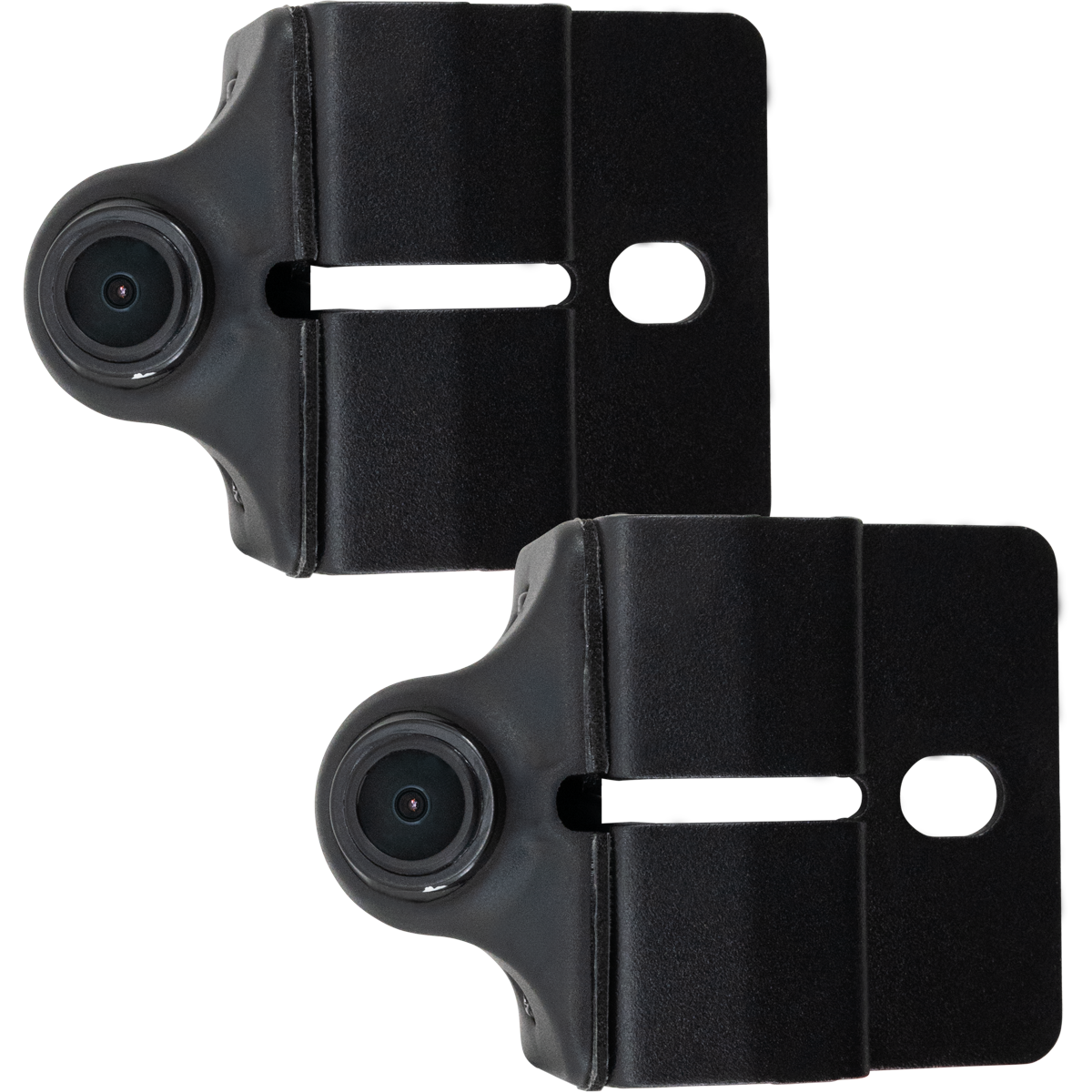
Blind Spot Cameras
5 products
View as:


$99.00
Filters & sort
The Ultimate Upgrade
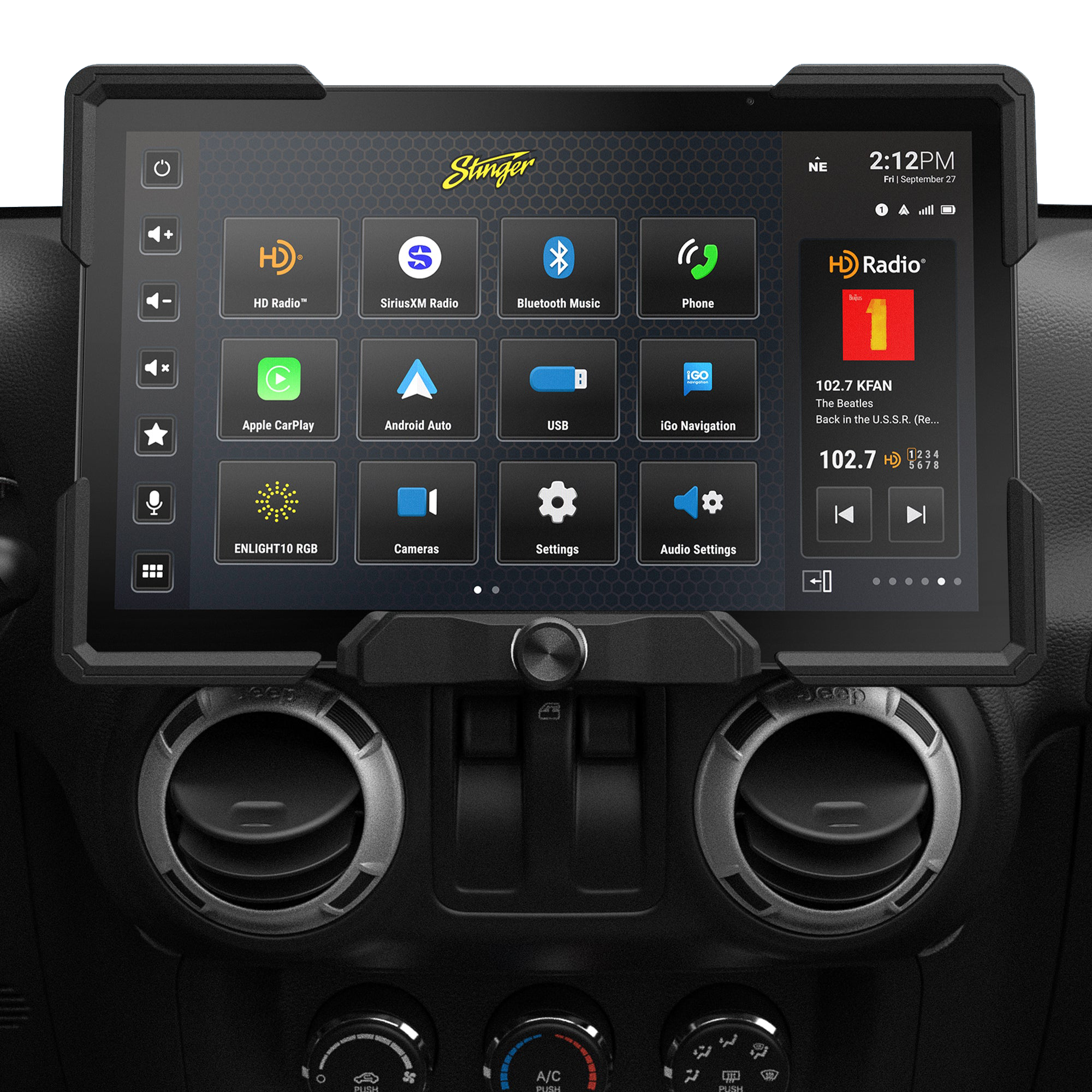
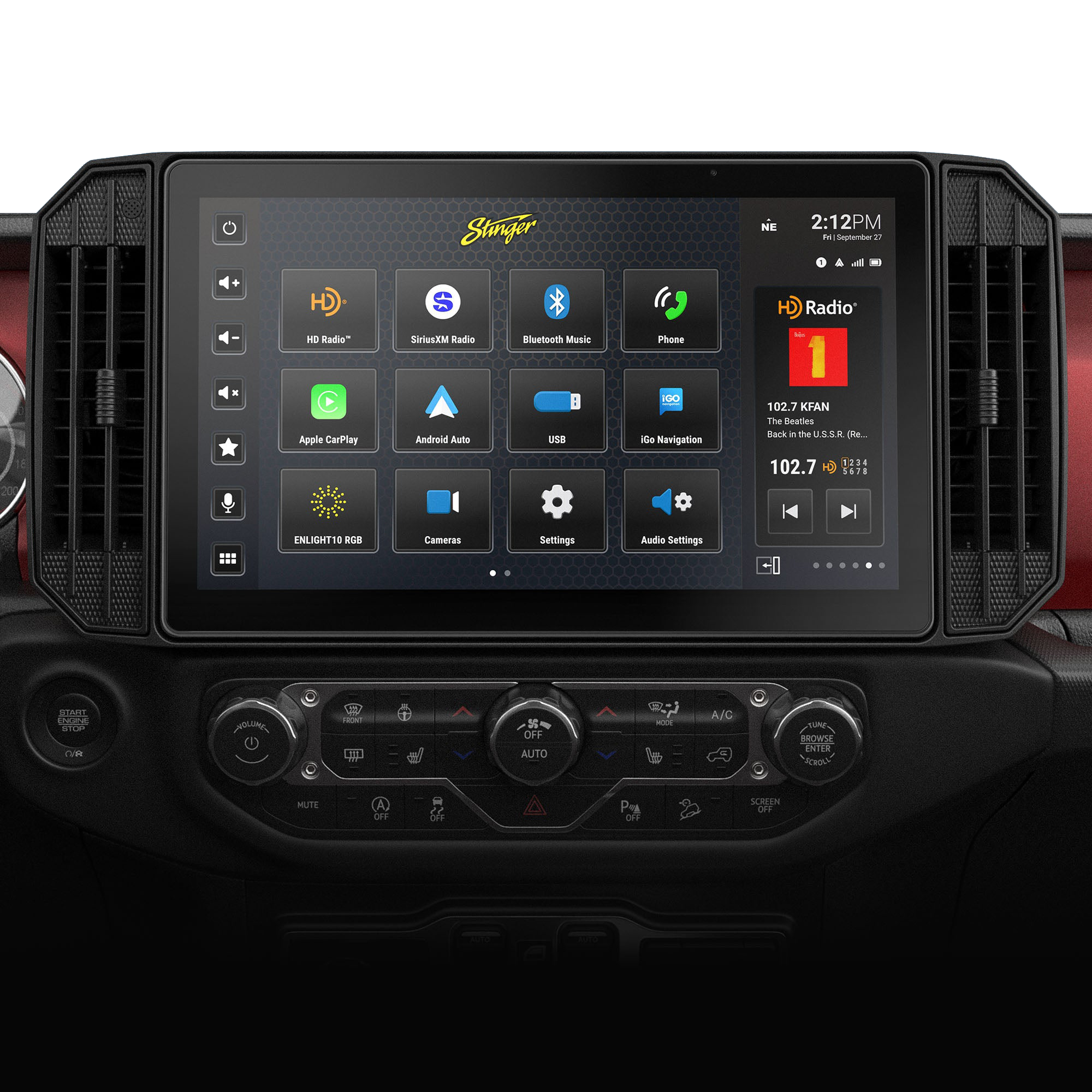
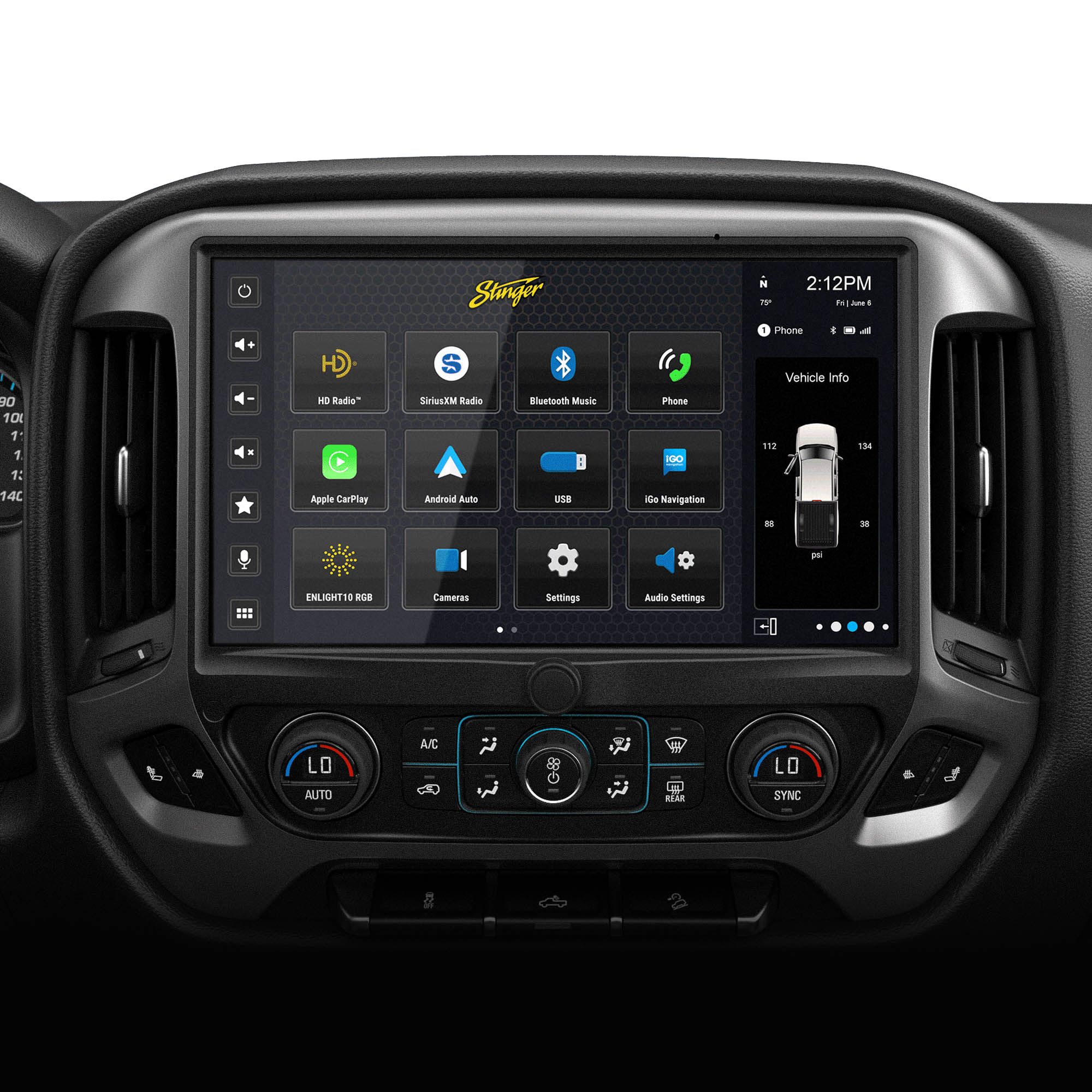
Horizon12 — Upgrade Your Dash to a 12.8″ Command Center
Transform your vehicle with an off-road ready infotainment with a massive 12.8" IP65 weather-resistant display.

Subscribe to us
Get 10% off
join the crew
Subscribe for early drops, install tips, and members-only deals. Unsubscribe anytime.
By subscribing you agree to our Privacy Policy and provide consent to receive updates from our company.

Frequently Asked Questions
Blind Spot Cameras
-
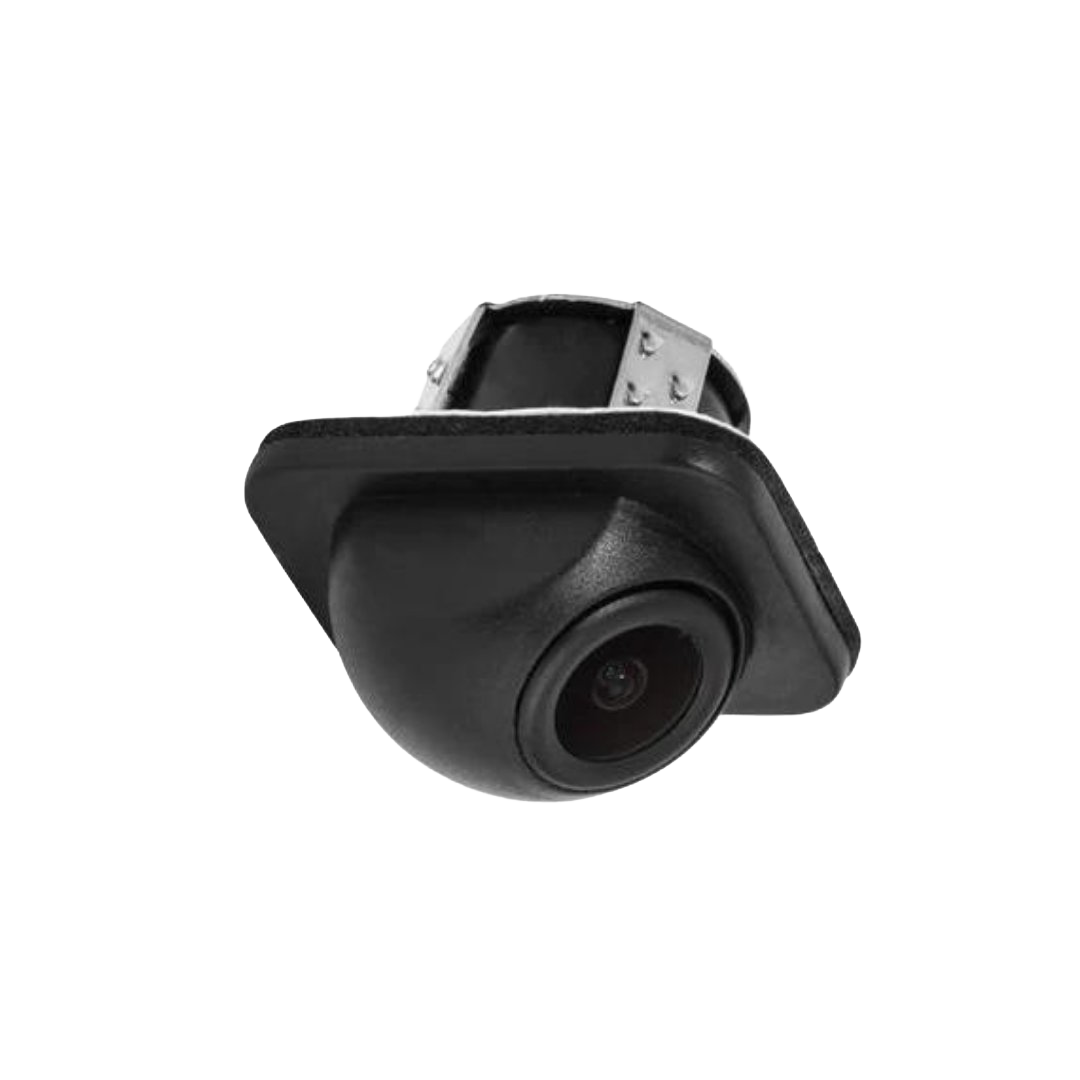
Reduced Lane Change Collisions: Blind spot cameras directly address a car's blind spots, those areas not visible through the side mirrors. By utilizing cameras mounted on the side mirrors or fenders, they detect vehicles in these zones and provide visual or audible alerts to the driver, helping to prevent accidents that might occur during lane changes or merging onto highways.
Increased Situational Awareness: Blind spot cameras extend your perception beyond the limitations of mirrors. This provides a more comprehensive view of your surroundings, allowing you to make informed decisions about lane changes and overtaking maneuvers.
Enhanced Confidence While Driving: The extra layer of awareness provided by blind spot cameras can significantly boost your confidence behind the wheel. Knowing you have a better view of potential hazards in your blind spots can help you navigate traffic more comfortably and decisively.
Particularly Useful for Large Vehicles: Drivers of larger vehicles, such as SUVs or trucks, often have even bigger blind spots. Blind spot cameras can be especially beneficial in these cases, helping to compensate for the limited rear and side visibility.
-
While both aim to prevent "side-swipe" accidents, they work differently:
- Cameras: Provide a live video feed of the lane next to you, usually triggered by your turn signal. They allow you to see the obstacle (car, bike, or debris) on your dashboard or infotainment screen.
- Sensors (Radar/Ultrasonic): Use radio or sound waves to detect objects. Instead of a video feed, they provide alerts via a flashing light on your side mirror or an audible beep.
-
Modern blind spot cameras are quite capable due to features like Night Vision, where the use of "low-light" sensors or infrared provide clarity in the dark.
-
They are a supplement, not a replacement. They eliminate the physical "blind spot" that mirrors can't reach and help prevent "neck strain" from constant over-the-shoulder checks.
-
Usually, yes. Because cameras provide a visual feed, you will see anything in the frame. Automated sensor systems (radar) occasionally struggle to detect smaller, narrow profiles like bicycles. A camera gives you the "human" advantage of identifying exactly what is there.
-
It depends on your provider. Many insurance companies offer discounts for "active safety features." Since blind spot systems are proven to reduce lane-change accidents by nearly 14–18%, it’s worth asking your agent if your specific system qualifies for a premium reduction.


