
FREE SHIPPING on orders $399+. *Exclusions apply

Stinger Vehicle Finder

Find your vehicle:

Select your option

Loading products,
please wait a few seconds...

Speakers

3 products

View as:

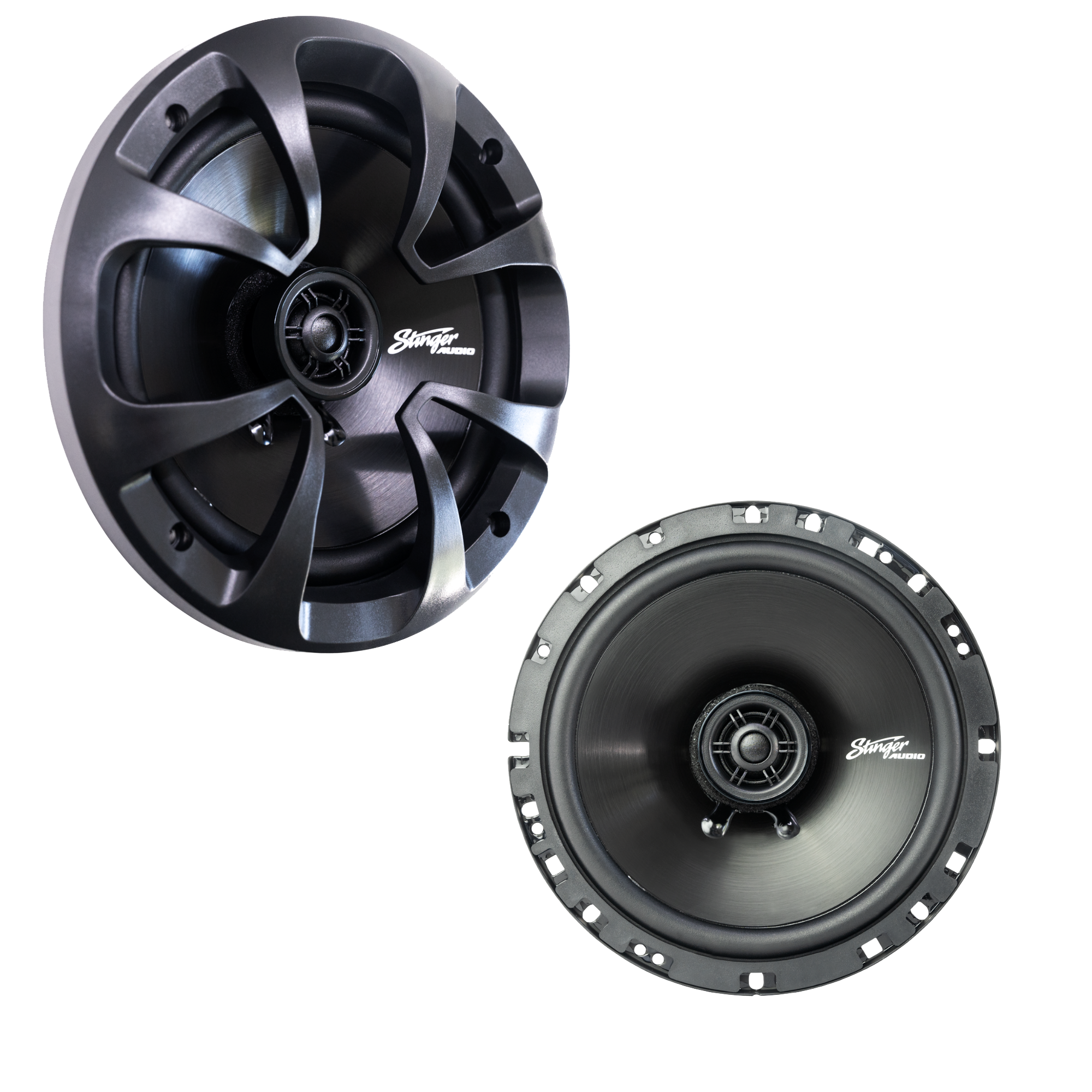
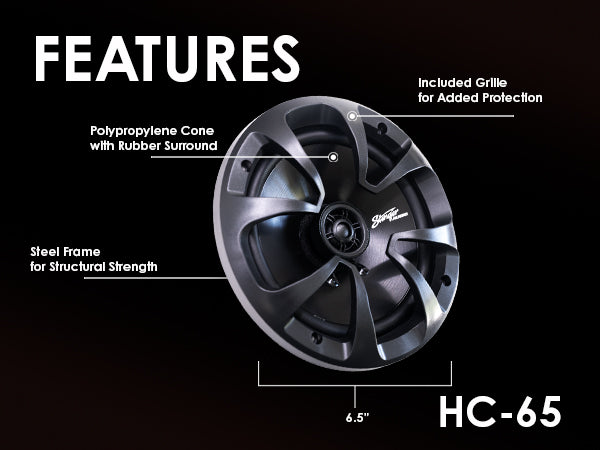
Two Stinger Audio coaxial car speakers shown from front and angled views Stinger Audio HC Series Coaxial Speakers 6.5in Features Infograph
Vehicle Image

5.0 (1)

$37.99

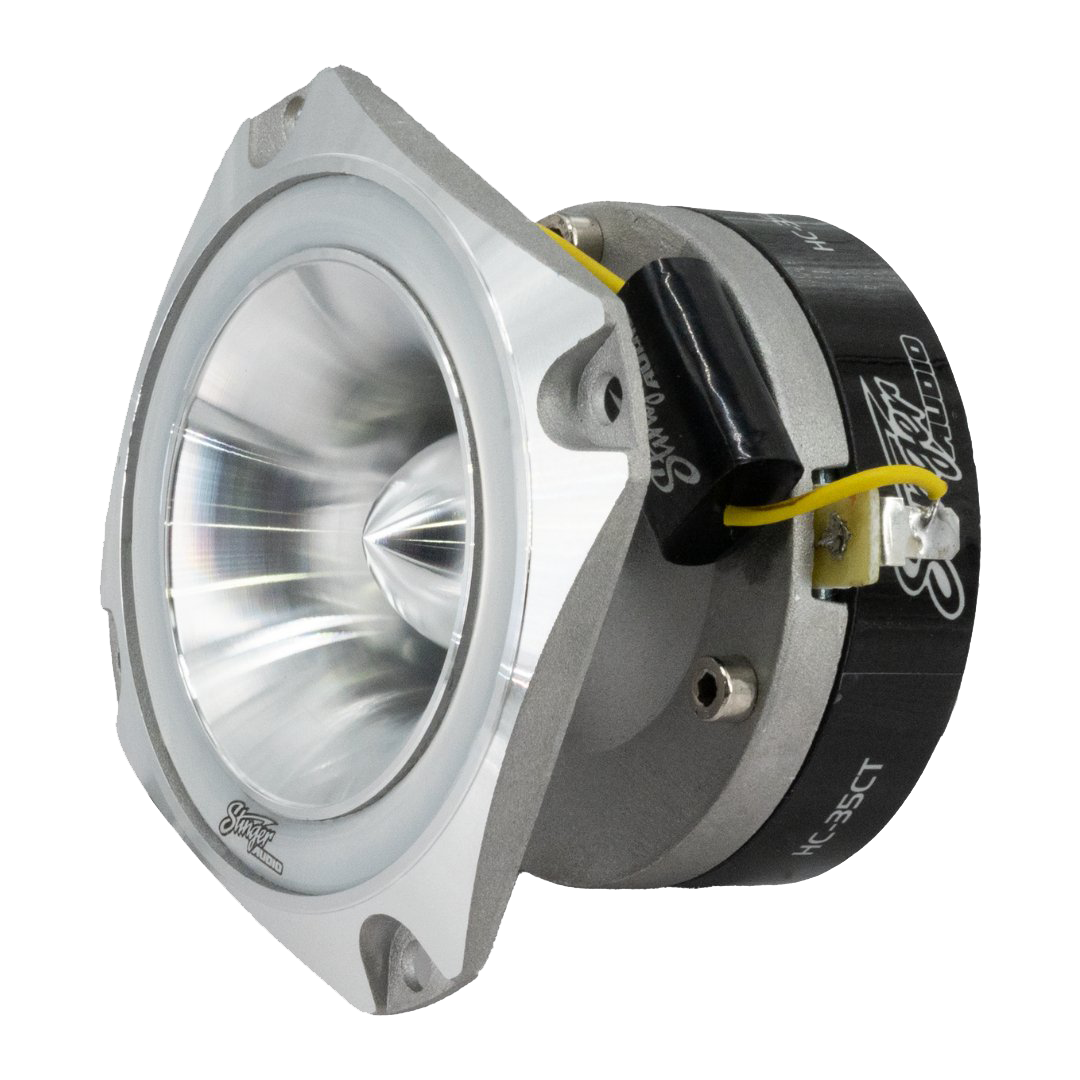
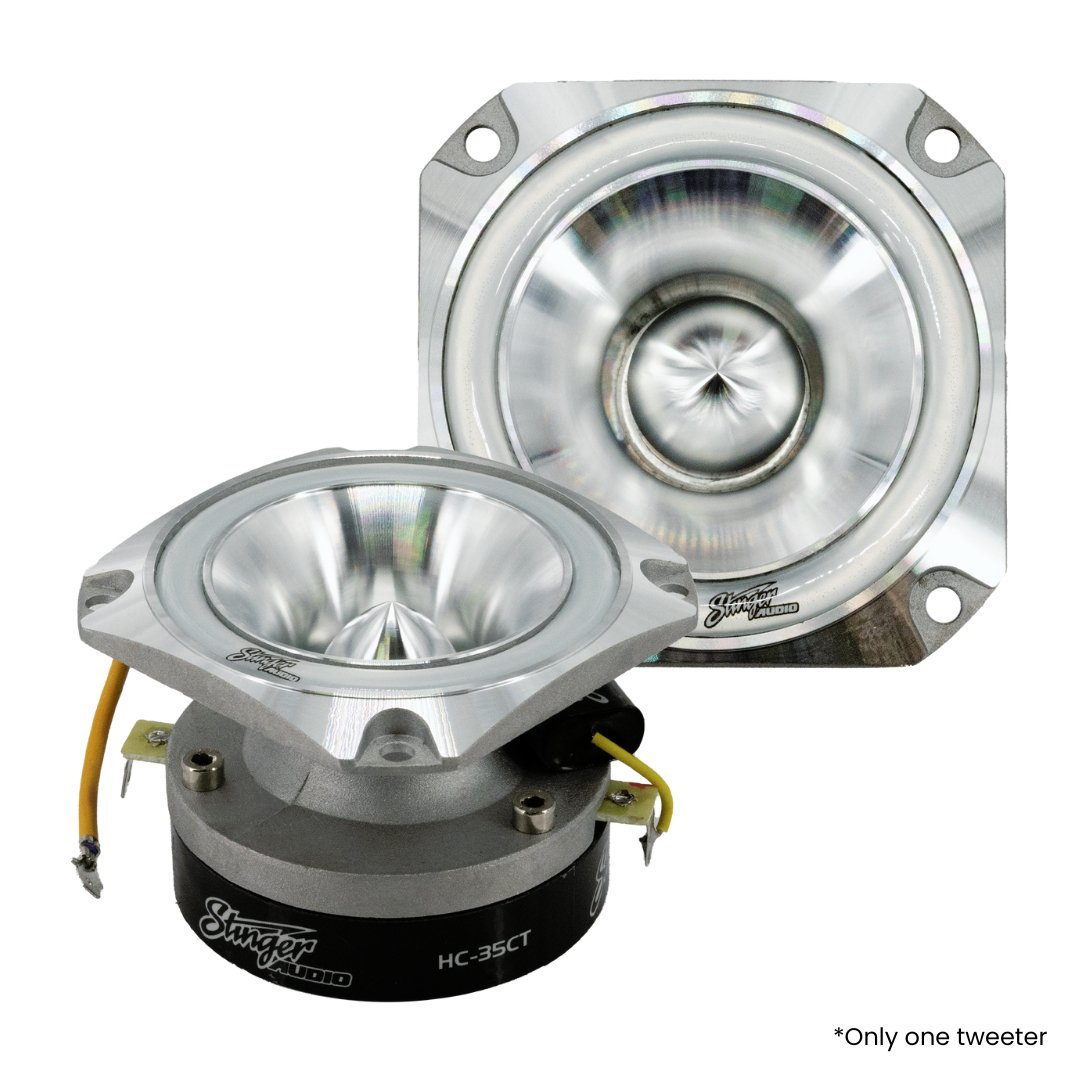
Stinger Audio HC-35CT bullet tweeter with silver cone and black magnet housing Stinger Audio 3.5" High Fidelity Compression Bullet Tweeter
Vehicle Image

4.0 (3)

$29.99

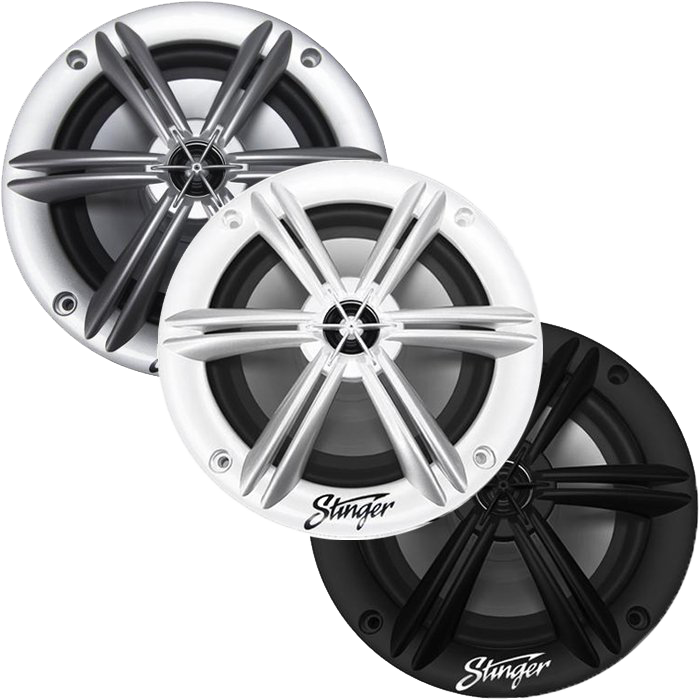
Three circular Stinger marine speakers in silver white and black 6.5" Coaxial Marine Speakers (Set of Two)
Vehicle Image

$129.00

Filter by location:

Filters & sort

The Ultimate Upgrade

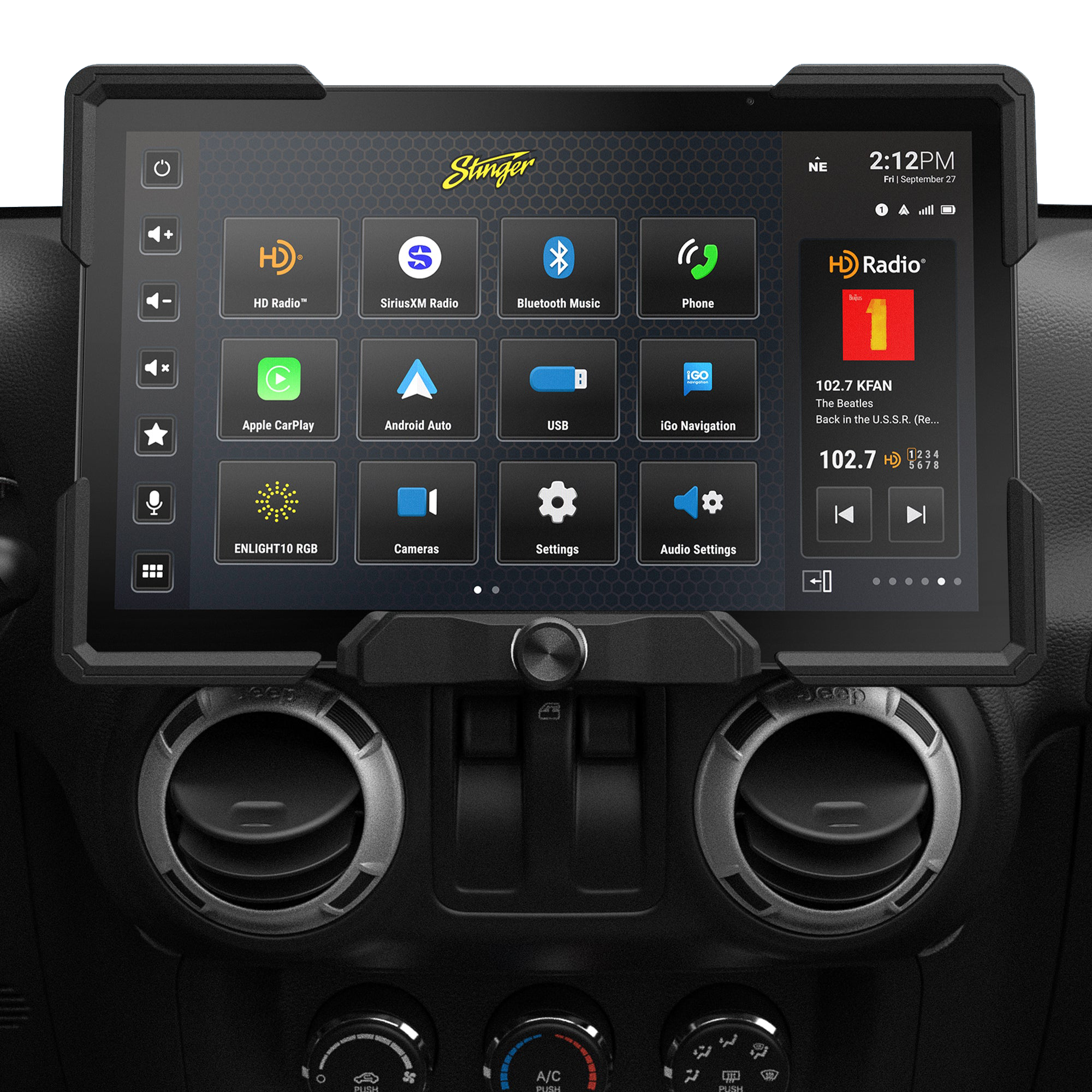
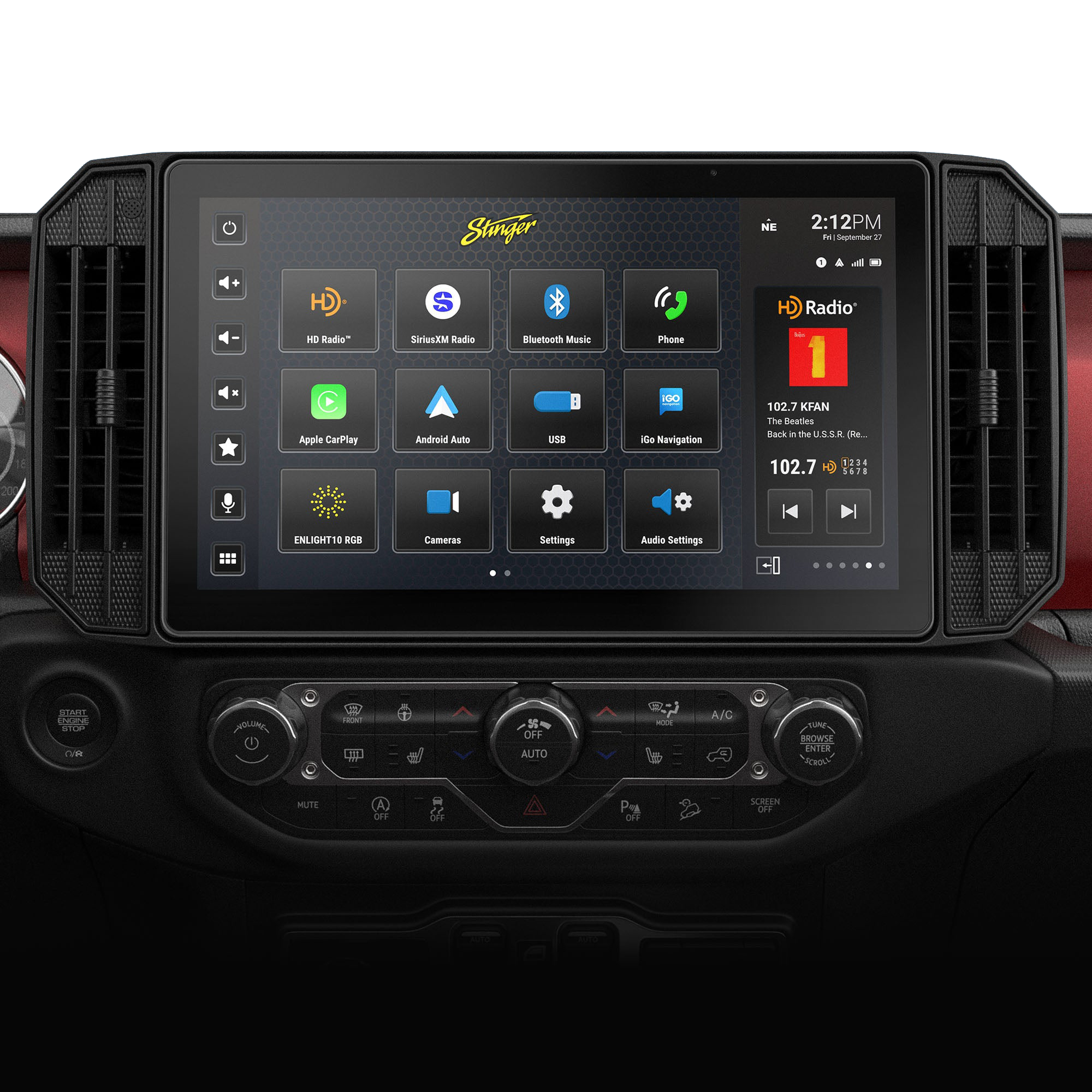
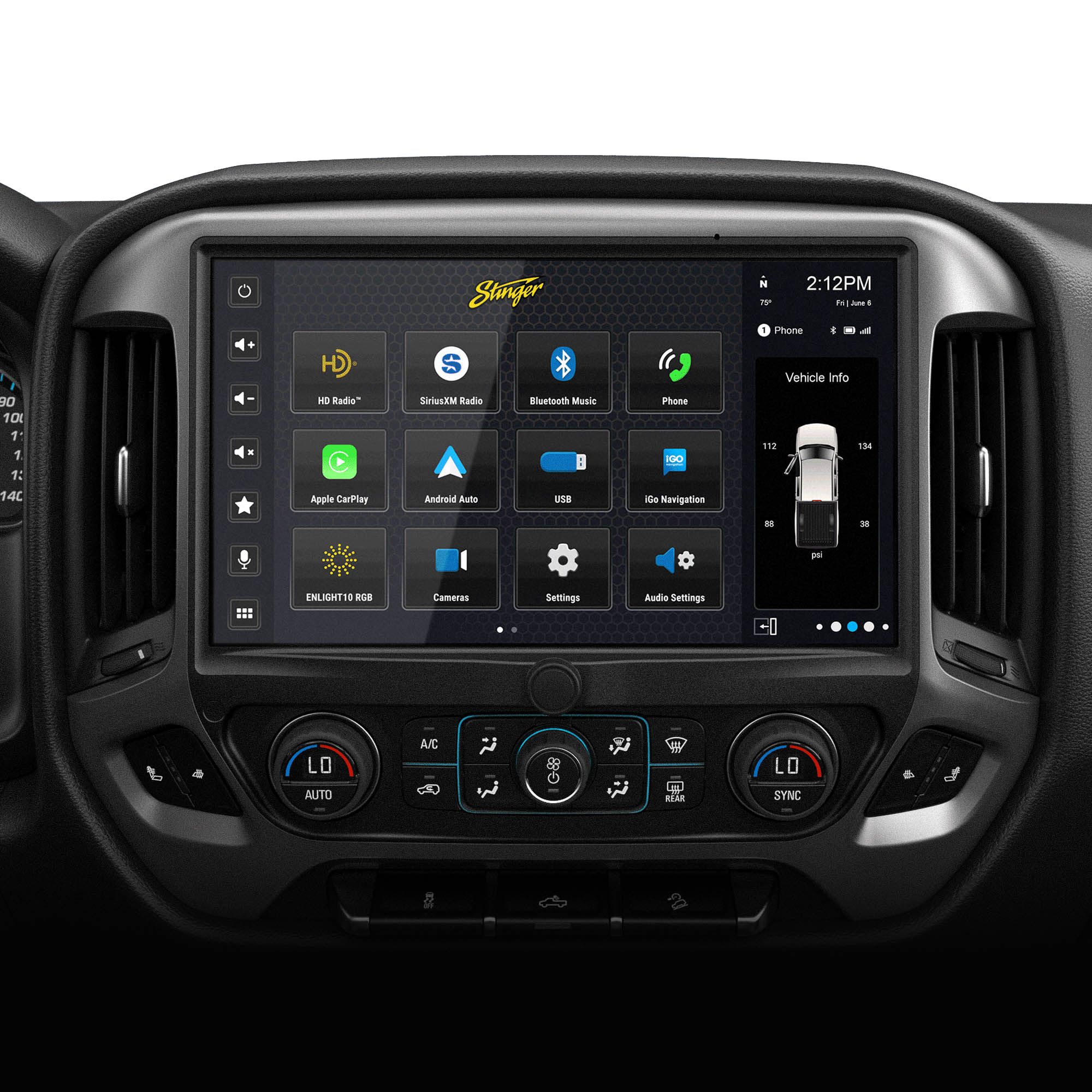
Horizon12 — Upgrade Your Dash to a 12.8″ Command Center

Transform your vehicle with an off-road ready infotainment with a massive 12.8" IP65 weather-resistant display.

Shop horizon12
HORIZON12 Jeep Wrangler JL (2018 - 2023)/Gladiator JT (2020 - 2023) 12" Radio Plug - and - Play Kit

Subscribe to us

Get 10% off

join the crew

Subscribe for early drops, install tips, and members-only deals. Unsubscribe anytime.

By subscribing you agree to our Privacy Policy and provide consent to receive updates from our company.

Thank you for subscribing! Use code WELCOME10 for 10% off!
Something went wrong. Please try again.
vehicles off-roading in the desert

Frequently Asked Questions

Car Audio Speakers

  • This is the most important choice you'll make when upgrading:

    • Coaxial: These contain all the speaker elements in one device (typically a woofer with a tweeter mounted on top). They are affordable, easy to install in factory locations, and great for general listening. These are usually installed in the rear of the vehicle.
    • Component: These separate the woofer and the tweeter into two distinct parts. This allows you to mount the tweeter higher up (like on the dash or A-pillar) for better "soundstage" and clarity. They commonly include an external crossover to direct the right frequencies to the right part. These are usually installed in the front of the vehicle.

  • Not necessarily, but it helps immensely.

    • Factory Head Units: Most built-in car stereos put out about 10–15 watts RMS. Most aftermarket speakers can handle 50–200 watts RMS.
    • While your new speakers will work without an amp, they may sound "thin" or distort at high volumes. Adding an aftermarket amplifier provides the power needed to produce full, rich bass and crisp highs.

  • What does "RMS" vs. "Peak Power" mean?

    Always ignore the Peak Power (the big number on the box).

    • RMS (Root Mean Square): This measures the continuous power the speaker can handle day-in and day-out. This is the number you should use to match your speakers to your stereo or amp.
    • Peak Power: This is the absolute maximum burst of energy a speaker can handle before failing.

  • Not automatically. This refers to the number of "drivers" in a speaker:

    • 2-way: Woofer + Tweeter.
    • 3-way: Woofer + Mid-range + Tweeter.
    • In theory, more drivers mean more specialized sound, but a high-quality 2-way speaker will almost always sound better than a cheap 4-way speaker. Focus on build material (like silk or polypropylene) rather than the number of ways.
  • Car speakers come in standard sizes (6.5", 6x9", 5.25", etc.).

    • Depth Matters: Even if the diameter fits, the "mounting depth" is crucial. If the speaker is too deep, your window might hit the back of the magnet when you roll it down.
    • Adapters: Many cars require "bracket adapters" or "wiring harnesses" so you don't have to cut your car's original metal or factory wires.
  • There is a bit of a debate here, but generally, yes. The surround and spider (the moving parts) of a new speaker are stiff out of the box. After about 20–30 hours of normal listening, the materials loosen up, often resulting in slightly deeper bass and smoother mid-range tones.

    Pro Tip: If you're upgrading your speakers, consider adding a layer of sound damping material (like Stinger Silencer) inside the door. It stops the metal from vibrating and makes even mid-tier speakers sound twice as expensive.

What are the key benefits of high quality Car Speakers?

Superior Sound Quality: This is the most significant advantage. High quality aftermarket car speakers are crafted with better materials and engineering, resulting in a richer, more detailed sound experience. You'll hear a wider range of frequencies, from deep bass to crisp highs, with improved clarity and accuracy compared to factory speakers.

Enhanced Listening Experience: Aftermarket car speakers create a more immersive and enjoyable listening experience. Music comes alive with a more natural soundstage, allowing you to appreciate the full potential of your favorite songs, podcasts, or audiobooks.

Increased Power Handling: High quality car speakers can typically handle more power than factory speakers without distortion. This is especially beneficial if you plan on adding a car amplifier for a more powerful car audio sound system.

Durability and Longevity: Stinger car speakers are built with higher-quality components, leading to greater durability and longer lifespans compared to most factory speakers.