

Light Bar vs. Pod Light vs. Chase Light: What Each One Does for Your Vehicle
By Duy Vu

The quick answer
A light bar gives you the most forward light for fast driving at night. A pod light is a compact, flexible light you can aim and mount almost anywhere, such as a bumper, A-pillar, or roof rack. A chase light faces the rear and adds brake, turn signal, reverse, and warning lights so the vehicle behind you can see what you're doing. Most off-road builds use more than one.
Light bars, pod lights, and chase lights at a glance
|
|
Light bar |
Pod light |
Chase light |
|
What it is |
A long LED light that mounts across the vehicle |
A compact LED light in a round, square, or rectangular housing |
A rear-facing LED bar with signal functions |
|
Main job |
Maximum forward light for trails and open roads |
Targeted or supplemental light, including side and close-range lighting |
Rear visibility and signaling for the vehicle behind you |
|
Typical mounts |
Roof, bumper, grille, windshield area |
A-pillars, bumpers, roof racks, mirrors |
Rear of the roof, roll cage, or tailgate area |
|
Best for |
Night trail driving, overlanding, and work sites |
Lighting the sides, filling gaps, and tight-space visibility |
Group trail runs, dusty or foggy conditions, and trailing traffic |
|
Stinger HEXCORE lights |
10, 20, 30, 40, and 50-inch straight bars, plus 30 & 40-inch curved bars, and 51-inch hero bar |
2, 2x4, 4, and 6-inch pod lights |
32-inch chase light bar |
What is a light bar, and how does it help your vehicle?
A light bar is a long LED light that adds a wide, bright wall of light in front of your vehicle. It's the go-to choice when you need to see farther and wider than your headlights allow. We offer 3 types of light bars: straight light bar, curved light bar, and hero light bar (eight 6" pods fitted on one bar).
• More distance and width. A bar throws light far down the trail and wide across it, so you can spot turns, ruts, obstacles, and wildlife sooner.
• Better night driving. More forward light means more reaction time at speed.
• Flexible mounting. Light bars mount on a roof, bumper, grille opening, or rack. Vehicle-specific kits have direct-fit brackets that have designated install locations.
• Selectable output. Stinger HEXCORE bars offer selectable high beam and low beam modes, so you can match the light to the conditions.
• Built-in position light. HEXCORE light bars include an amber and white position accent light, for both style and visibility.
Choose a light bar if you drive trails at night, run long distances off-road, or want one primary auxiliary light that does the most for the money.

What is a pod light, and how does it help your vehicle?
A pod light is a small, self-contained LED light that you can place almost anywhere. Pods add light where a bar can't, and they're often used in pairs.
• Targeted lighting. Mount pods on the A-pillars to light the trail edges, or low on the bumper to fill the area right in front of the vehicle.
• Close-range and side coverage. Pods are ideal for lighting corners, tight switchbacks, and campsites.
• Choice of patterns. Stinger HEXCORE pods come with your choice of a driving beam, a focused pattern that throws light far down the trail or road with enough side spread to sit between a spot and a flood, or a halo mode, which adds amber or white accent light around the pod’s edge for visibility and style.
• Easy to mix and match. Pods work with a light bar or on their own, and sizes range from 2 inches to 6 inches.
• Weather-resistant. Stinger HEXCORE pods are IP67 rated, so they're sealed against dust and rain.
• Interchangeable covers. HEXCORE pods include amber covers for fog, dust, or snow, and blackout covers that protect the lens and clean up the look.
Choose pod lights if you want flexible placement, side lighting, or a smaller upgrade on a budget, or you want to add light to a vehicle that already has a bar.

What is a chase light, and how does it help your vehicle?
A chase light is a rear-facing light bar. It doesn't help you see the trail. It helps everyone behind you see you. That matters most on group runs, dusty trails, and low-visibility conditions, where a vehicle's stock tail lights can be hard to spot.
• Rear visibility. A bright, wide bar behind your vehicle is easier to see than small stock tail lights, especially in dust or fog.
• Clear signaling. The Stinger HEXCORE 32-inch chase light includes red brake and parking lights, white reverse lights, and left and right amber turn signals.
• Strobe warning. An amber strobing function makes the vehicle stand out in adverse conditions or when stopped on the trail.
• Simple installation. The kit includes an 18-inch harness with 8-pin DIN connectors, two mounting brackets, and hardware, and it runs on 10 to 30 volts DC.
Choose a chase light if you ride in a group, drive a UTV or Jeep with a spare tire or roll cage that blocks stock lights, or want a reverse and signaling bar for rear safety.

Which one do you need?
|
If you want to... |
Choose |
|
See farther and wider on dark trails |
Light bar |
|
Light the sides of the trail or fill in the bumper area |
Pod lights |
|
Add auxiliary light on a small budget |
Pod lights |
|
Be seen by vehicles behind you |
Chase light |
|
Signal brake, turn, and reverse more clearly off-road |
Chase light |
|
Build a complete lighting setup |
All three |
How they work together
Many builds combine all three, since each one does a different job.
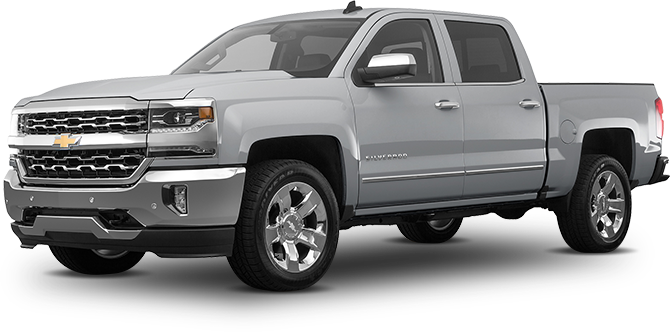
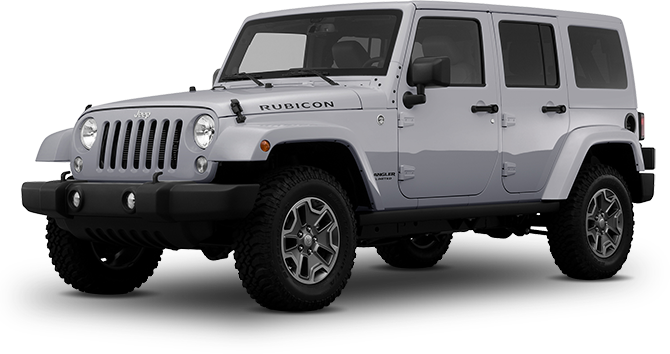
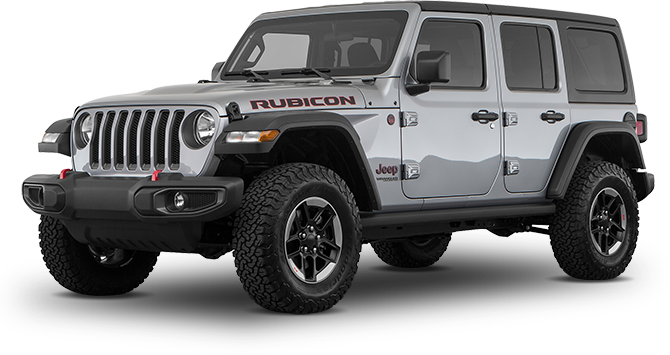
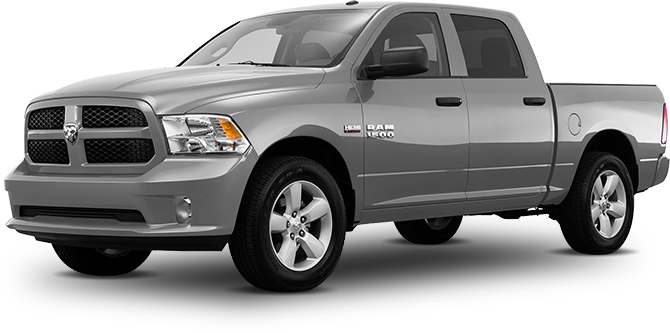
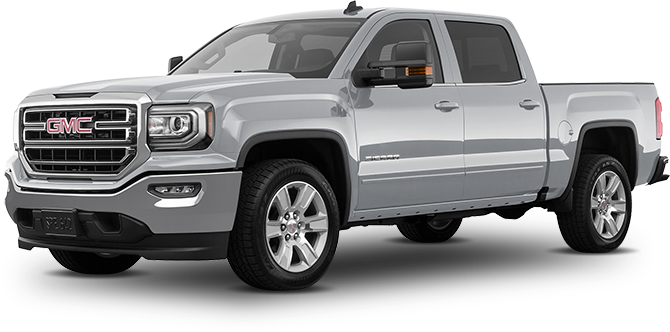
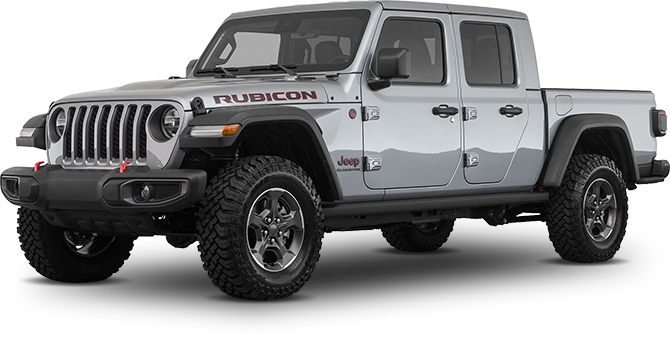
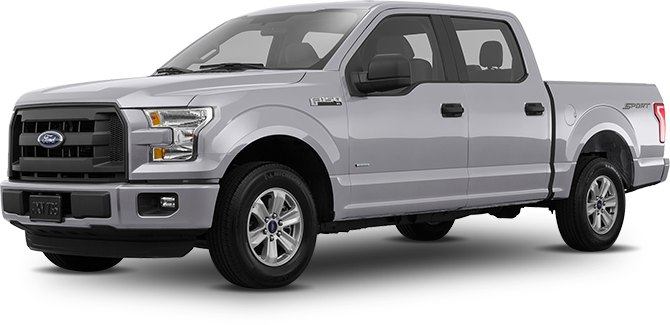
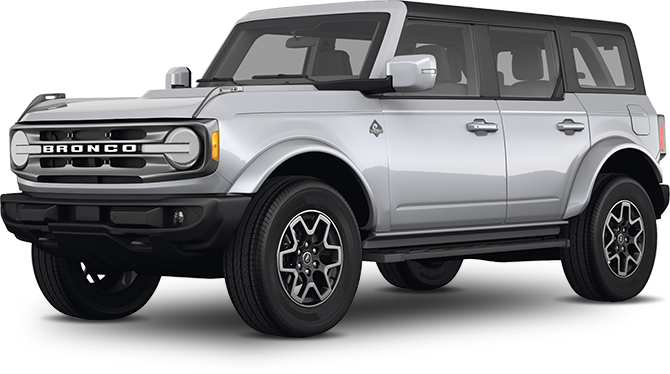
• Jeep or truck: A light bar on the roof or bumper for distance, pod lights in the A-pillars or bumper for side coverage, and a chase light at the rear for visibility.
• UTV: A roof bar for forward light, pods on the front for the trail edges, and a chase light on the roll cage so the group can see you in the dust.
• Work truck or overland rig: Pods for close-range work lighting around the vehicle, plus a bar for travel at night.
Stinger offers vehicle-specific kits that provide OEM-like fitment and integration. These kits are designed to be a DIY-friendly install.
The benefits of a complete build
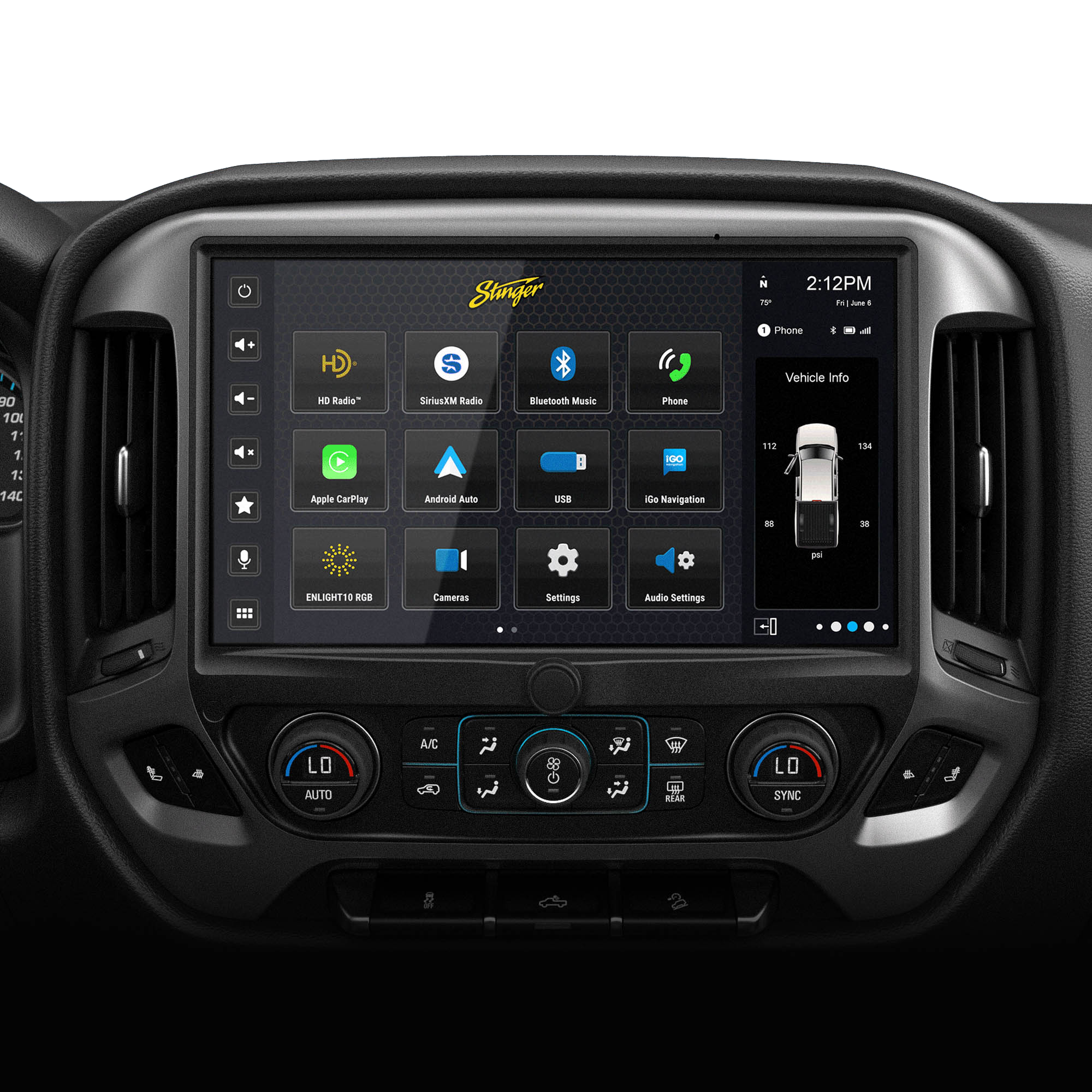
A fully complete HEXCORE build lights your vehicle from every angle with parts designed to work together: a roof or windshield light bar for long-range visibility, A-pillar and bumper pods for corner and close-in coverage, and a chase light bar for rear safety, with brake, turn, and reverse functions. Because the vehicle-specific kits use USA-made brackets that mount without drilling, the whole system goes on cleanly, and every light shares the same design, selectable high and low beams, and amber or white accents for a consistent, finished look. Paired with a SwitchHUB 4-channel relay and a Stinger HORIZON radio, you can control all of it from the dash, so you’re not hunting for individual switches. The result is better night visibility on the trail, a safer and more visible rear end, and a coordinated build that looks like it came from one designer, because it did.

Frequently asked questions
What is the difference between a light bar and a pod light?
A light bar is a long, wide light that throws a broad wall of light in front of your vehicle. A pod light is a small, self-contained light you can place almost anywhere. Bars are best for distance and width. Pods are best for flexible placement and targeted coverage.
Do I need both a light bar and pod lights?
Not always, but we do recommend it. A bar alone is a good choice for forward light. Pods are a good add-on for side lighting or to fill in the area close to the vehicle. Many drivers use both because they cover different areas.
Where should I mount a light bar?
Common locations include the roof, front bumper, grille opening, and rack. The best spot depends on your vehicle and the lighting you want. Roof mounts usually give the most distance, while bumper mounts light the area closer to the vehicle. A HEXCORE vehicle-specific kit streamlines the install and has a designated location for the light.
Are Stinger HEXCORE lights waterproof?
Stinger HEXCORE pod lights are IP67 rated, which means they're sealed against dust and protected against rain and temporary submersion. HEXCORE light bars use durable housings with sealed electronics and thermal management for off-road conditions.
What do the amber and blackout covers do?
Amber covers can improve visibility in fog, dust, or snow. Blackout covers protect the lens and give the pod a clean look when the light isn't in use. HEXCORE pod lights include both.
What size light bar should I get?
The right size depends on your mounting space and how much light you want. Stinger HEXCORE straight bars come in 10, 20, 30, 40, and 50-inch lengths, with curved options in 30 and 40-inch sizes. The Hero light bar only comes in a 51-inch length. Longer bars cover more width, while shorter bars fit in bumpers and grilles.
Can I install these lights myself?
Yes! Stinger HEXCORE vehicle-specific kits use plug-in harnesses with Deutsch connectors and direct-fit brackets that make installs DIY-friendly.
Are auxiliary lights legal to use on the road?
Off-road lights are designed for off-road and private-property use. Rules for auxiliary lights, including brightness, color, and whether they may be used on public roads, vary by state and country. Follow your local laws, and use auxiliary lights only when and where they're allowed. Amber and strobing lights are especially restricted on public roads in many places, so check before you drive with them on.
Light up your build
Whether you need distance from a light bar, flexibility from pods, or rear visibility from a chase light, Stinger HEXCORE lighting is built for off-road use. Pick the light that fits how you drive, or combine all three for a complete setup.


